
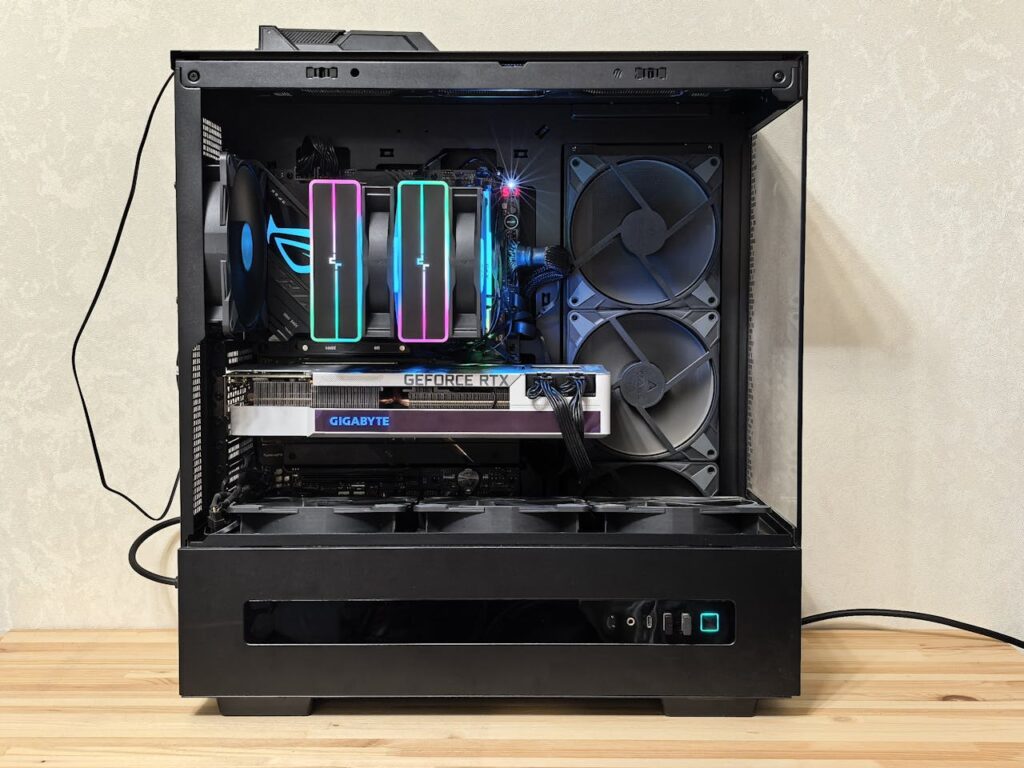
Building a future-proof gaming PC in 2026 is one of the smartest ways to maximise long-term gaming performance, upgradeability, and value for money. Modern games continue becoming more demanding every year, with larger open worlds, advanced ray tracing, AI technologies, and higher VRAM requirements pushing older hardware to its limits. A properly balanced future-proof gaming PC allows gamers to enjoy strong performance today while remaining capable of handling newer games and upgrades for years to come.
One of the biggest misconceptions about future-proof gaming PCs is that they need to be extremely expensive. In reality, future-proofing is about choosing the right platform and components rather than simply buying the most expensive hardware available. A balanced system with strong upgrade potential will often outperform an overpriced build that lacks flexibility.
The foundation of any future-proof gaming PC starts with the platform. In 2026, AMD’s AM5 platform remains one of the strongest choices for gamers due to its long-term CPU support, DDR5 compatibility, and excellent gaming performance. AM5 motherboards support modern Ryzen processors while also allowing future CPU upgrades without replacing the motherboard. This is one of the main reasons why many gamers now choose Ryzen-based gaming PCs over older-generation systems.
Processors such as the Ryzen 5 7600, Ryzen 7 9700X, and Ryzen 7 9800X3D offer excellent gaming performance while also providing strong longevity for future titles. CPUs with AMD’s 3D V-Cache technology are particularly powerful in gaming workloads and consistently rank among the best gaming CPUs currently available.
The graphics card is equally important when building a future-proof gaming PC. Modern AAA games now demand significantly more GPU power, especially when using ultra settings, ray tracing, and higher resolutions such as 1440p and 4K. Many gamers are now specifically looking for GPUs with at least 12GB VRAM to improve long-term performance as newer games continue increasing texture quality and graphical complexity.
Graphics cards such as the RTX 5070, RTX 5070 Ti, RTX 5080, and AMD RX 8800 XT provide strong future-proof gaming performance due to their improved ray tracing capabilities, AI upscaling technologies, and higher VRAM capacities. These GPUs are designed to handle modern gaming workloads much more comfortably over the next several years compared to lower-end alternatives.
VRAM has become one of the biggest topics in PC gaming. While 8GB graphics cards are still usable for many games at 1080p, newer AAA titles are increasingly pushing past 8GB VRAM usage at higher settings and resolutions. Gamers building long-term systems are therefore prioritising GPUs with larger memory capacities to avoid performance limitations later.
Memory is another major factor when future-proofing a gaming PC. DDR5 RAM is now considered the standard for modern gaming systems. While 16GB RAM still works for gaming, many enthusiasts and system builders now recommend 32GB DDR5 RAM for stronger long-term performance, especially for users who multitask, stream, edit videos, or play newer demanding games.
For Ryzen AM5 systems, DDR5-6000 is commonly considered the ideal balance between speed, latency, and stability. Dual-channel memory configurations also remain extremely important for gaming performance.
Storage requirements have also increased significantly in recent years. Many modern games now exceed 100GB per installation, making larger SSD storage capacities increasingly important. A 2TB NVMe Gen 4 SSD is becoming one of the most recommended starting points for future-proof gaming PCs due to its combination of speed and storage capacity.
Traditional hard drives are now becoming far less common in gaming systems because NVMe SSDs provide dramatically faster boot times, loading speeds, and overall responsiveness. Technologies such as Microsoft DirectStorage are also pushing modern games further towards SSD optimisation.
Power supply quality is often overlooked when building gaming PCs, but it plays a major role in future-proofing. Modern graphics cards can experience large power spikes under heavy load, making high-quality power supplies increasingly important for long-term system stability and upgrade flexibility.
Most future-proof gaming PCs should use at least a reliable 750W to 850W 80+ Gold rated power supply from trusted manufacturers such as Corsair, Seasonic, be quiet!, or Cooler Master. Investing in a strong PSU today makes future GPU upgrades significantly easier later.
Cooling and airflow are equally important. High temperatures can reduce performance and shorten component lifespan over time. Modern airflow-focused PC cases with mesh front panels, multiple intake fans, and strong cable management provide far better thermal performance than older closed-front designs.
One of the biggest mistakes builders make is overspending on unnecessary flagship components while ignoring overall system balance. A future-proof gaming PC is not about buying the absolute most expensive parts available. Instead, it is about selecting hardware that offers strong performance today while maintaining sensible upgrade options for the future.
For most gamers in 2026, the ideal future-proof gaming PC includes:
- AM5 motherboard platform
- Ryzen 7000 or Ryzen 9000 series processor
- DDR5 RAM
- 12GB+ VRAM graphics card
- 2TB NVMe SSD
- High-quality 80+ Gold PSU
- Strong airflow case
This combination provides excellent gaming performance for modern titles while maintaining strong longevity for future games and hardware upgrades.
Ultimately, building a future-proof gaming PC is about protecting your investment. Choosing the right components now can save significant money later while ensuring your gaming system remains capable, upgradeable, and competitive for years to come.
If you are unsure which gaming PC build is best for your needs, PC Build Experts can help create a fully customised gaming PC tailored to your preferred games, target FPS, resolution, and budget. Whether you are building your first gaming PC or upgrading an older system, choosing the correct hardware can make a major difference in both gaming performance and long-term value.
Sources & Further Reading:
- NVIDIA GeForce RTX Series
- AMD Ryzen Processors
- Tom’s Hardware GPU Hierarchy
- Tom’s Hardware CPU Hierarchy
- TechPowerUp GPU Database
- Corsair DDR5 Memory Guide